

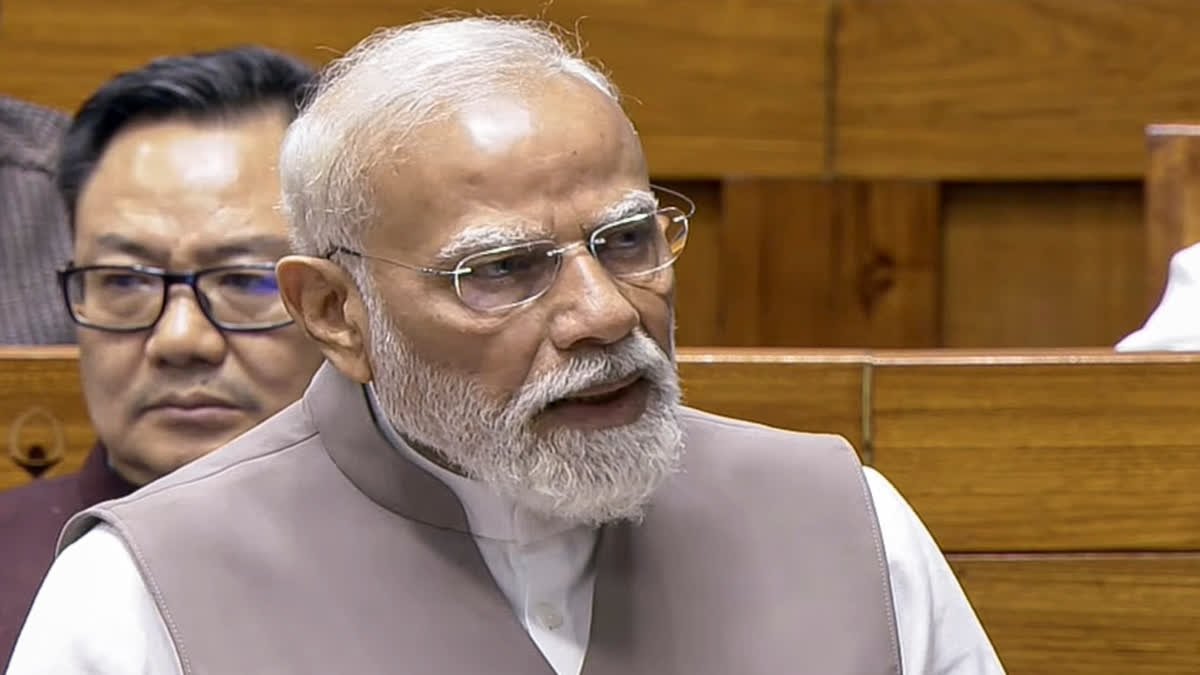

New Delhi: Prime Minister Narendra Modi will interact with the Chief Ministers of states and Union Territories via video conferencing on Friday evening. During this meeting, the evolving situation in West Asia will be reviewed, and its potential impact on India—particularly regarding issues related to Liquefied Petroleum Gas (LPG) and oil supplies—will be assessed.
The meeting will focus on preparedness, covering issues such as supply chains, energy security, and the safety of Indian citizens residing abroad. During the meeting, the Prime Minister is expected to highlight the importance of a collective response—guided by the spirit of ‘Team India’—to ensure continued coordination between the Centre and the states. Measures to maintain stability within the country amidst global uncertainties may also be discussed during the meeting. States where elections are currently underway will not participate in this meeting due to the Model Code of Conduct; instead, separate meetings will be held with their respective Chief Secretaries through the Cabinet Secretariat to ensure that planning and response processes continue uninterrupted.
This meeting is considered particularly significant as India is currently facing a shortage of LPG, which is impacting the supply of this essential domestic fuel. Iran has closed the Strait of Hormuz to most nations; however, India has been exempted from this restriction. Despite this, concerns persist that the situation could become more challenging in the near future.
India Has 60 Days’ Worth of Fuel: Government
Earlier today, the government reassured citizens that, despite rising tensions in West Asia, there is no immediate threat. The government stated that the country currently possesses a fuel reserve sufficient for 60 days. Citizens were urged to disregard speculations regarding potential fuel shortages. The government confirmed that the nation’s energy supply remains stable and well-managed, with adequate reserves available to meet current demand. According to the Ministry of Petroleum and Natural Gas, the supply of crude oil for approximately the next two months has already been secured. Public sector oil marketing companies have already made arrangements for imports to ensure the continuity of supply. Despite disruptions in the Strait of Hormuz, India is procuring crude oil from over 40 countries, thereby reducing its reliance on any single route or region.
Officials stated that the country’s refineries are operating at even beyond their full capacity, ensuring a continuous supply of fuel across the nation. India’s total storage capacity is sufficient to meet approximately 74 days’ worth of consumption. Meanwhile, current reserves—including strategic petroleum reserves—are adequate for about 60 days. Officials emphasized that, even several weeks into the crisis, there is no shortage, and plans for future procurement are already in place to maintain stable supplies going forward.

