

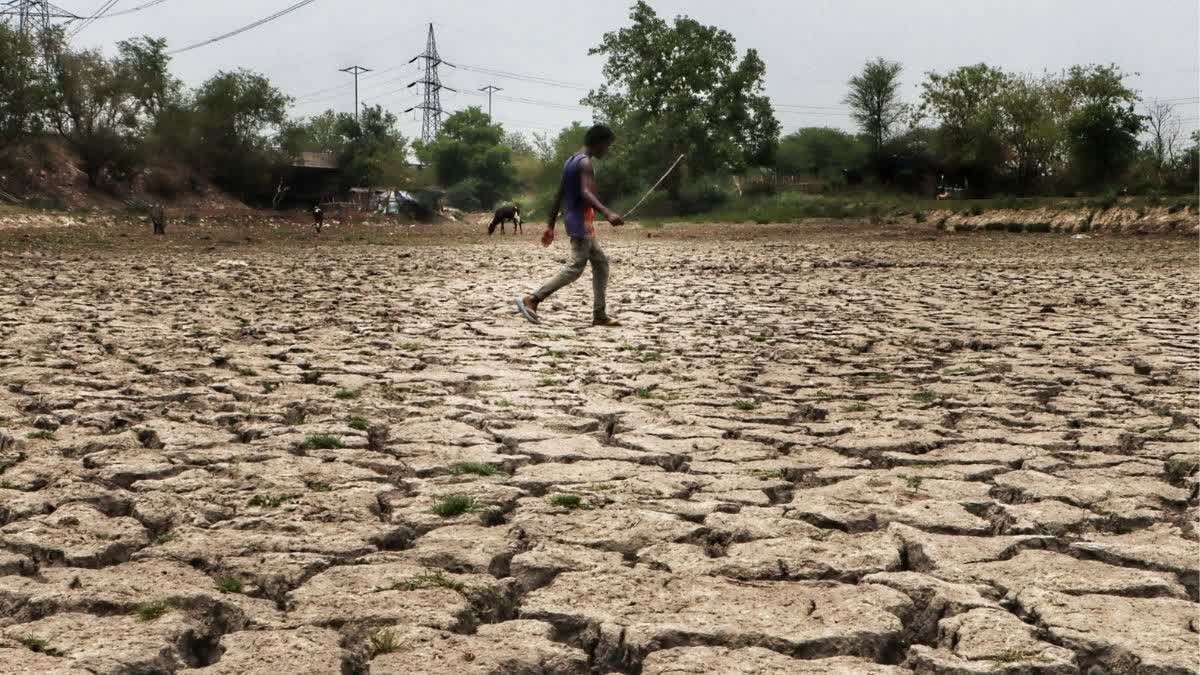

New Delhi: Unseasonal rainfall across large parts of India has temporarily delayed the usual rise in temperatures this April, offering short-term relief from heat. However, meteorologists and climate experts caution that this reprieve may be short-lived, with the potential for a sharp spike in electricity demand during the peak summer months of May and June, as temperatures rebound rapidly.
According to the latest seasonal outlook from the India Meteorological Department (IMD), the April-June 2026 period is expected to witness a complex and uneven weather pattern. While several regions, particularly in north, northwest, central, and southern India, may see normal to below-normal daytime temperatures, eastern and northeastern states are likely to experience above-normal daytime heat. At the same time, warmer-than-normal nights are forecast across most parts of the country, a factor experts say could significantly worsen heat stress.
This updated forecast marks a shift from the IMD’s earlier March-May outlook, released in February, which had predicted above-normal maximum and minimum temperatures across India. The revised outlook suggests a more nuanced pattern, influenced in part by recent widespread rainfall linked to active western disturbances.
The IMD has also warned that the number of heatwave days is likely to remain above normal across many regions, with a possibility of even more frequent heatwaves during April-June, compared to March-May.
“During April 2026, above-normal heatwave days are likely over many parts of coastal Odisha, West Bengal, Tamil Nadu, Puducherry and Andhra Pradesh, and isolated regions of Gujarat, Maharashtra and Karnataka,” the IMD said in its press release.
The agency highlighted the broader risks associated with rising temperatures, stating, “The increased likelihood of heatwave conditions may pose significant risks to public health, water resources, power demand, and essential services, particularly affecting vulnerable populations like the elderly, children, outdoor workers, and individuals with pre-existing medical conditions.”
It added, “Elevated temperatures can lead to heat-related illnesses and additional stress on infrastructure and resource management systems.”
Rainfall Relief May Trigger Heat Spike
IMD data indicates that many parts of India are likely to receive above-normal rainfall in April, except for eastern states such as West Bengal and northeastern regions including Assam, Meghalaya, Manipur, and Mizoram. Interestingly, these very regions recorded higher-than-normal rainfall in March despite earlier forecasts predicting otherwise.
Experts warn that such unseasonal rains, while temporarily cooling, often set the stage for a sharper rebound in temperatures.
Mahesh Palawat, Vice President at Skymet Weather, noted that recent rainfall has kept temperatures in check but a rapid transition is underway. “Temperatures are under check till now because there is rainfall intensity over the last one and a half weeks. But now, air conditioners have begun to be used, as the weather is starting to heat up. Temperatures will rise, leading to intense heat within the next 1-5 days,” he said.
He further cautioned that declining rainfall activity will accelerate the warming trend. “The intensity and frequency of weather disturbances will decrease… rainfall activity will also fall over the next 15 days. Thereafter, many parts of the country will face intense heat, and electricity demand will increase.”
Palawat added that both daytime and nighttime temperatures are likely to remain above normal in the coming weeks, especially during the second half of April and into May. “Overall, the intensity and frequency of heat waves will be on the higher side in the upcoming weeks,” he said.
Electricity Demand and Health Risks
The link between rising temperatures and electricity demand is self evident. As heat intensifies, cooling needs surge, placing additional pressure on power infrastructure.
Climate expert Professor S N Mishra of TERI University offered a slightly moderate outlook for April, but warned of worsening conditions ahead. “April has remained relatively cool so far, reducing the chances of early heatwaves in northwest India. Peak electricity demand in India is typically driven by heat and humidity, so the real surge is expected in June–July, rather than April–May,” he said.
He added that the real concern lies in sustained warming. “From May onwards, warmer days and nights will increase discomfort. Warmer nights are particularly risky, as they prevent the body from recovering from daytime heat, leading to cumulative heat stress and higher health impacts.”
Climate Change and the ‘Kelvin Wave’ Factor
Beyond immediate weather patterns, scientists are closely monitoring developments in the Pacific Ocean, where a rapidly evolving Kelvin Wave, a subsurface surge of warm water, could influence global climate systems. Environmentalists warn that this phenomenon could potentially trigger an El Niño event later this year, with some risk of intensifying into a “Super El Niño” by late 2026.
The IMD has also flagged significant risks to agriculture. “Significant heat stress during reproductive stages of Boro rice, maize, green gram, black gram and vegetables… leading to poor grain setting, flower drop and reduced yields,” an IMD spokesperson said.
The IMD further warned of accelerated maturity in crops like wheat, chickpea, and lentils, which could reduce grain filling duration and yields. Fruit crops such as mango and banana may also suffer from flower and fruit drop, particularly in southern India.
To mitigate these risks, the IMD has advised farmers to adopt measures like light and frequent irrigation during critical growth stages and to complete harvesting of wheat and mustard early, to avoid terminal heat stress. Monitoring pest and disease outbreaks is also recommended under the expected warm and humid conditions.

