

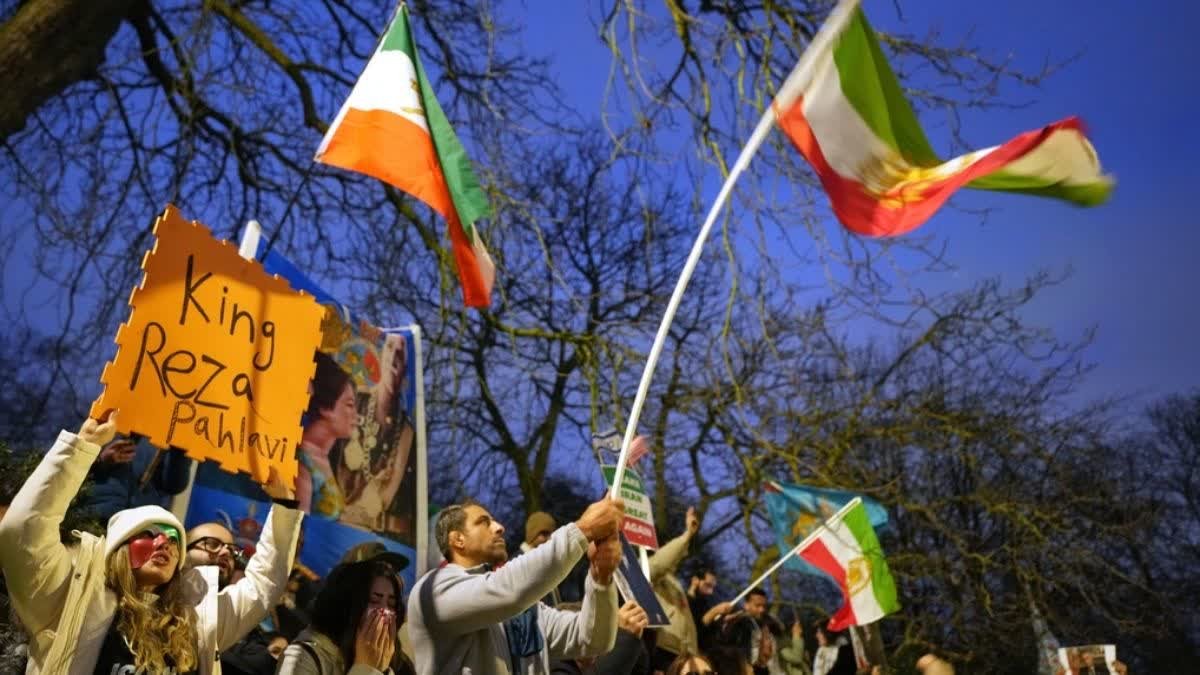

New Delhi: In view of the ongoing anti-government protests in Iran, the Indian government on Wednesday issued an advisory for its citizens, urging them to return from the country. The government stated that Indian citizens currently in Iran (students, pilgrims, businesspeople, and tourists) are advised to leave the country using available means of transport, including commercial flights.
The government said that all Indian citizens and Persons of Indian Origin (PIOs) should exercise utmost caution, avoid areas of protests or demonstrations, remain in contact with the Indian Embassy in Iran, and monitor local media for any updates. The advisory stated, “All Indian citizens in Iran are requested to keep their travel and immigration documents, including passports and IDs, readily available. They are requested to contact the Indian Embassy for any assistance in this regard.” Before the Indian government, the US had also advised its citizens to leave Iran. The US said that all Americans are advised to leave Iran. These advisories have heightened concerns amidst the deteriorating situation in Iran. The US has repeatedly threatened to attack Iran. Trump said that the Iranian authorities should not target the protesters.
US President Donald Trump is considering military action against anti-government protesters in Iran, although many experts believe that any such move could backfire on Washington.
Trump has not yet clarified what options are before him. He said that Iranian officials, who want to avoid war with the US, have “called him for talks.” However, he also said that if the deadly crackdown continues, the US “may have to take action before a meeting.” If Washington decides to intervene, it has a range of options, from diplomatic condemnation and expanded sanctions to cyber operations and military strikes. But history offers cautionary tales against every option available to the U.S. government.
Targeted sanctions and diplomatic pressure, including the recent 25 percent tariffs imposed on countries doing business with Iran, are considered the least provocative measures. They allow the U.S. to coordinate with allies and offer moral support to protesters without signaling a direct confrontation, but decades of experience suggest their impact has been limited.

