

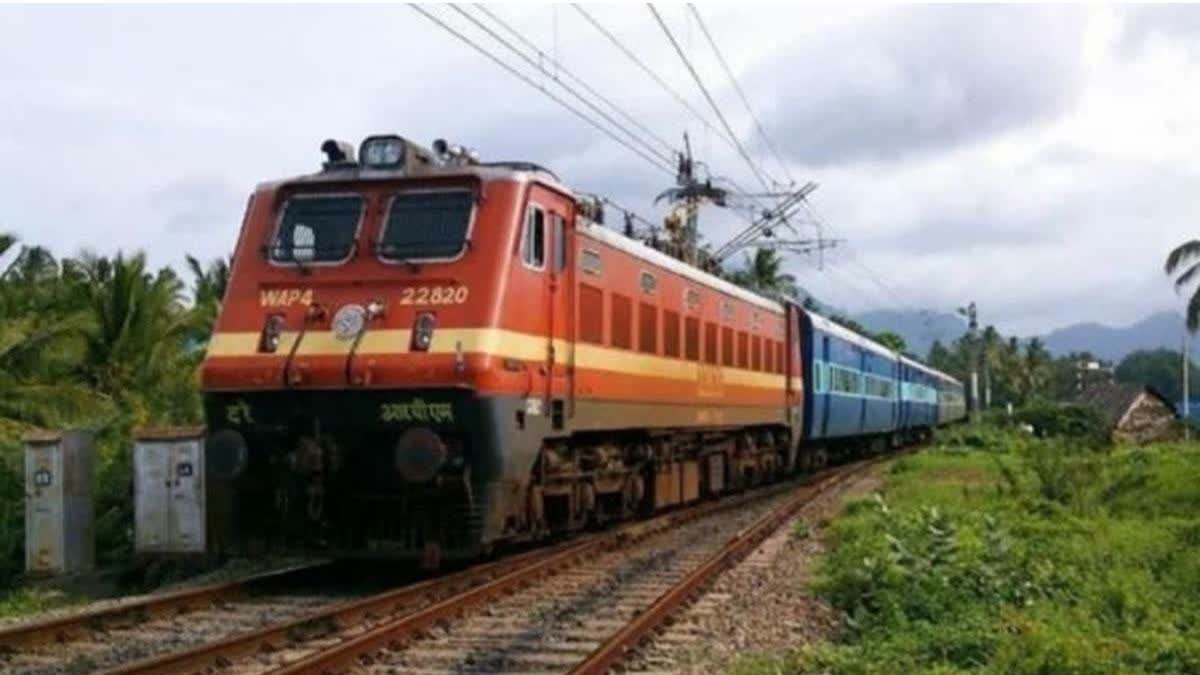

New Delhi: The Indian Railways has taken a significant initiative, prioritizing the safety and well-being of passengers. Recognizing the frequent delays in receiving medical treatment for sudden illnesses or emergencies during travel, the Railways is now equipping 279 stations and 177 trains with modern medical kits and essential medicines. The primary objective of this initiative is to provide passengers with prompt first aid during their journey.
Medical Boxes and Their Security Plan
The Railway Health Department has been entrusted with the responsibility of procuring and supplying these medical boxes. These boxes will be made available at the train’s originating stations. According to a senior railway official, each medical box will be placed in the train’s power car, specifically in the “Guard Portion” (TMR), along with the brake van’s equipment.
To ensure security and accountability, these kits will be secured with a “One Time Lock” (OTL) system. This means that once sealed, they can only be opened in an emergency. The Train Manager (Guard) will be the custodian of this kit throughout the journey.
Strict Monitoring and Protocols
Before the train starts, the Train Manager will ensure that the OTL on the medical box is securely secured. This check will be carried out in the presence of Carriage and Wagon (C&W) staff. Once the lock is confirmed, the Train Manager will inform Commercial Control. This procedure is designed to ensure that medicines and equipment are present and safe on the train in case of an emergency.
How will help be provided in an emergency?
If a passenger’s health deteriorates during the journey, the on-board staff (TTE, Train Superintendent, or Train Manager) will immediately respond. First, the reservation chart will be checked to determine if a doctor or trained medical professional is traveling on the train.
Furthermore, the Commercial Controller will be contacted to obtain information about doctors listed in the passenger records. Once a doctor is identified, the TTE or Train Superintendent will contact them and request them to provide treatment to the patient using the available medical kit. The Railways has clarified that the personal information and confidentiality of doctors will be fully respected.
Monitoring Maintenance and Expiration of Medicines
After the medical kit is used, the Health Department will be responsible for refilling it. A register will be kept inside the kit, recording the details of the items used. Furthermore, regular inspections will be conducted to ensure the quality of the medicines. The box will clearly list the expiry dates of the medicines, ensuring timely replacement of old medicines and ensuring that all equipment is in working condition.
This new arrangement by the Railways will make it easier for passengers to receive treatment during the ‘golden hour,’ making train travel not only comfortable but also safer.

