

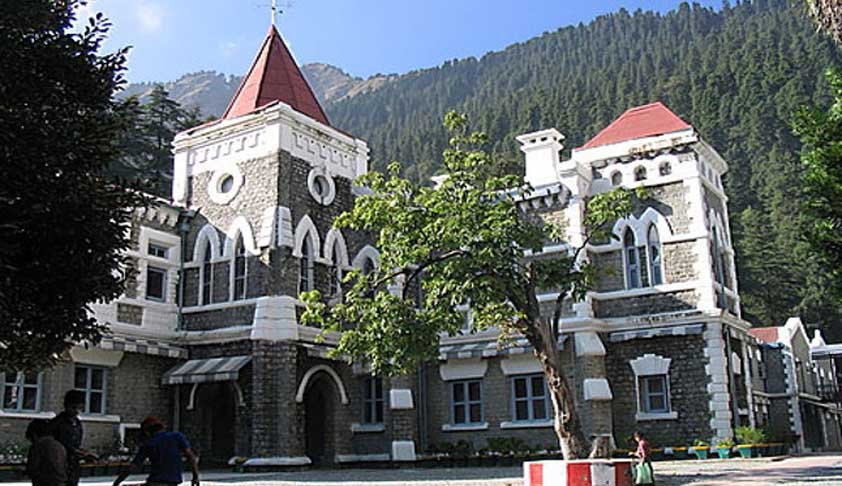

Nainital |
In a significant ruling, the Nainital High Court has declared that no madrasa can operate in Uttarakhand without proper recognition from the state government. This decision is being seen as a crucial development in regulating educational institutions in the state.
Key Highlights of the Verdict
- Interim Relief Granted: The High Court directed the state government to unseal the premises of Inamul Uloom Society in Vikas Nagar, Dehradun.
- Condition for Unsealing: The petitioner, Zuber Ahmed, must submit an undertaking stating that he will not run any madrasa without state recognition.
- Legal Debate: The government argued that the petitioner was running an unauthorized madrasa, while the petitioner claimed that the premises were sealed without a hearing.
- Next Hearing: The case is scheduled for June 11, 2025.
Case Background
The Inamul Uloom Society, located in Vikas Nagar, Dehradun, was running a madrasa when the state government sealed the premises, citing non-compliance with educational regulations.
- The society’s president, Zuber Ahmed, challenged the action in the single bench of Justice Ravindra Maithani, arguing that the sealing was illegal and unjustified.
- The government defended its decision, stating that the madrasa was operating without state recognition, which is against established rules.
Government’s Argument
Advocate General SN Babulkar, representing the state, stated:
- The petitioner was violating regulations by running an unrecognized madrasa.
- The property was sealed to prevent further violations.
- The petitioner should not receive relief under Article 226 of the Constitution, which provides writ jurisdiction.
Petitioner’s Defense
On behalf of the petitioner, it was argued that:
- The sealing of the premises was illegal as no show cause notice was issued.
- Even if the society’s activities deviated from its objectives, the property should not have been sealed without a hearing.
High Court’s Ruling
After considering both arguments, the High Court ruled:
- Sealing Without Notice Is Invalid: The court observed that the state did not issue any show cause notice before sealing the premises, which was procedurally unfair.
- Conditional Unsealing: The court ordered the unsealing of the property, subject to an undertaking that the petitioner will not run any madrasa without state recognition.
- Future Compliance Required: The petitioner must adhere to all legal requirements to operate a madrasa in Uttarakhand.
Legal Implications
This decision reinforces the state government’s authority over educational institutions, ensuring:
- Strict regulation of madrasas to prevent unauthorized operations.
- Fair legal procedures by requiring proper notices before sealing premises.
- Judicial oversight to balance government enforcement and individual rights.
Next Steps
- The next hearing in the case is scheduled for June 11, 2025.
- The petitioner must file the required undertaking before the property is unsealed.
- The state government may introduce stricter regulations for madrasas in light of this ruling.
Conclusion
The Nainital High Court’s ruling marks a significant step in ensuring that educational institutions in Uttarakhand comply with government regulations. It upholds the rule of law, emphasizing that no madrasa can operate without official recognition. This decision not only impacts religious educational institutions but also sets a precedent for future governance and legal proceedings in the state.

