

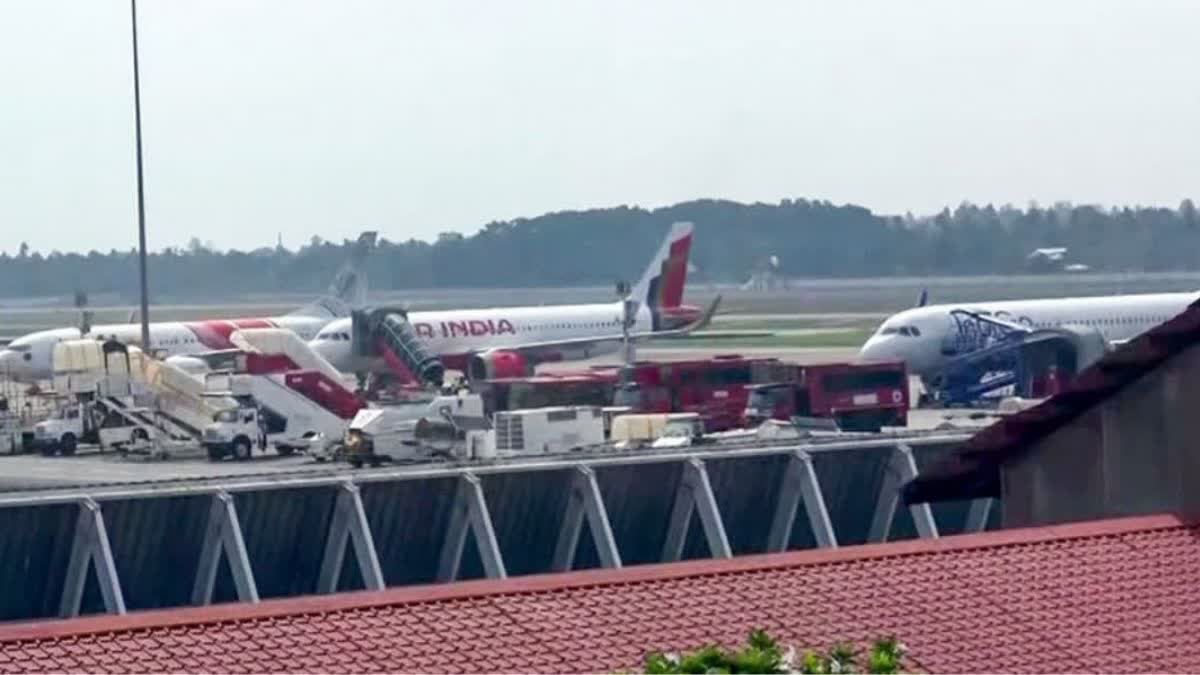

New Delhi: Escalating military tensions between the US, Israel, and Iran have completely disrupted global air traffic. This crisis has had a profound impact on the Indian aviation sector and its passengers. The West Asian air route, India’s primary international travel route, is now becoming a no-fly zone.
Thousands of passengers stranded, over 1,200 flights cancelled
According to a Directorate General of Civil Aviation (DGCA), approximately 1,221 Indian airline flights have been cancelled as of the first week of March. In view of the threat of war, the DGCA has advised Indian airlines to avoid the airspace of 11 countries, including Iran, Iraq, and the UAE. Consequently, airlines like Air India, IndiGo, and Akasa Air have either suspended or significantly reduced their services to cities like Dubai, Doha, and Muscat.
Longer routes and increased travel time
Due to the closure of the Iran route, Indian flights are now forced to take a longer detour over Oman and Egypt to reach Europe and the United States.
Travel delays: This change has increased flight times by 4 to 5 hours.
Enroute stops: Air India flights to New York are now forced to stop in Rome, Italy, for refueling. This not only wastes time but also increases the financial burden on airlines due to fuel and landing charges.
Skyrocketing fares
This crisis has pushed air ticket prices beyond the reach of the common man.
Gulf countries: Passengers traveling to India from Dubai and Abu Dhabi are paying between ₹100,000 and ₹1.800,000 for a one-way ticket.
Travel to Europe: Fares to cities like London and Paris have reached close to ₹300,000.
Rising costs: Due to the surge in crude oil prices and rising aircraft insurance premiums, airlines have increased fuel surcharges, which has directly impacted passengers’ pockets.
Passenger Safety and Relief Operations
Even though regular flights are suspended, airlines like Air India and IndiGo are operating special “relief flights” to bring back Indians stranded in Gulf countries. IndiGo has announced that it will offer full refunds to affected passengers if they cancel their tickets or allow them to book flights on a different date without any additional charges.
Impact on Tourism
Travel experts say that due to the fear of war, Indians have canceled their vacations to countries like Dubai and Turkey. People are now hesitant to travel on routes close to war zones. However, domestic flights within India have not been significantly affected at this time.
If this conflict does not subside soon, international travel could become even more expensive and difficult in the coming days. Currently, the priority for the government and airlines is to bring Indians stranded abroad back home safely.

