

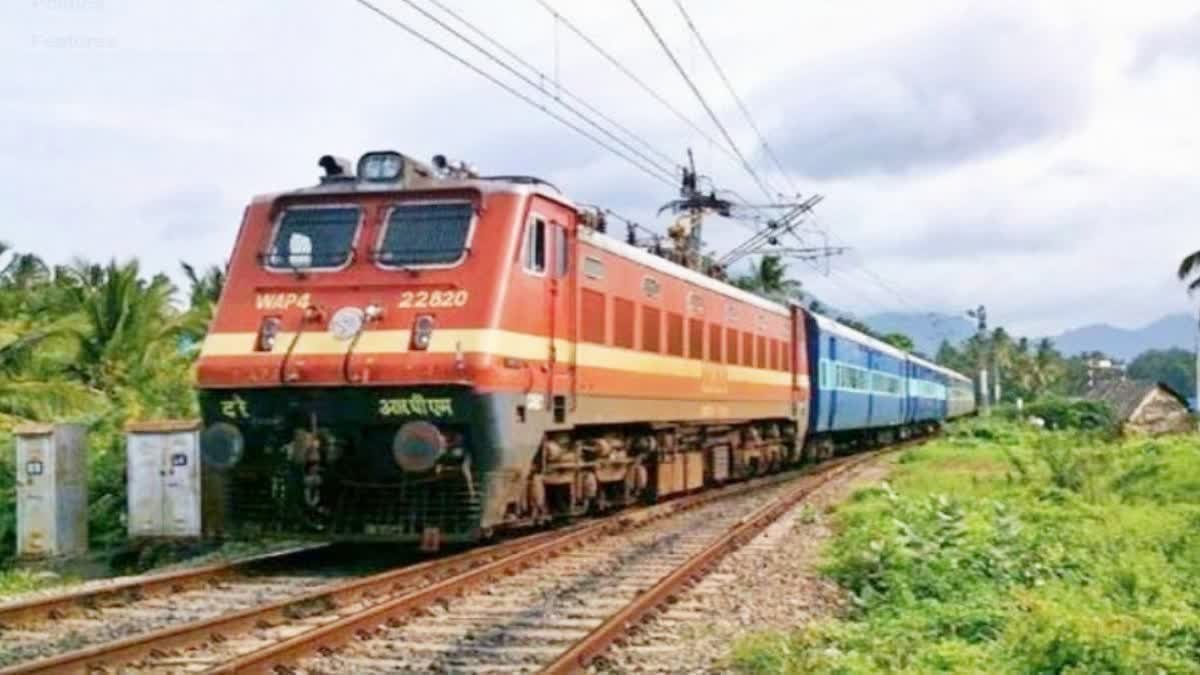

New Delhi: Rail passengers traveling on long-distance trains are eagerly awaiting this year’s Union Budget 2026-27. They hope that the central government will take steps that will directly improve their travel experience, making it safer, more comfortable, and more affordable.
Ahead of the budget announcement, passengers are hoping for new technologies, robust security systems, and modern infrastructure that will provide them with faster, safer, and more comfortable journeys. Passengers want the railways to upgrade its technology to address delays in train services.
This is especially crucial during the winter months, which disrupt travel plans for almost a month and a half, particularly in the northern parts of the country. While several modern technologies have been introduced this year, this remains a persistent problem.
Similarly, railway experts expect the upcoming budget to include provisions for increasing the number of tracks to accommodate the growing population and the increasing number of passengers, ensuring sufficient capacity on trains.
Speaking to ETV Bharat, Geetanjali Shah, a regular traveler and homemaker, said that while the railways have introduced several fast trains, there is a need for more superfast trains for long-distance travelers to save travel time and improve connectivity between different locations.
Another passenger, Jharna, who works in the marketing sector, shared her expectations with ETV Bharat, saying, “The government’s promises of improved train facilities have raised hopes among passengers. I hope these assurances translate into tangible improvements on the ground, saving travel time and making train journeys more comfortable in the future.”
Across the rail network, technological upgrades are continuously transforming the passenger travel experience. From improved punctuality and cleaner coaches to upgraded onboard amenities, these changes aim to make long-distance journeys more comfortable and hassle-free. Along with this, an increase in the budget is expected for increasing track capacity, introducing new trains, modern systems for passenger safety such as AI-enabled cameras, interlocking signaling, the anti-collision device Kavach, and new LHB coaches to address the daily challenges faced by millions of passengers during their journeys.
Expressing his expectations from the upcoming budget, Harish Tamta, a medical professional and avid traveler, told ETV Bharat, “The budget should allocate extra funds for the government to spend on improving train punctuality, more modern technology, and better facilities for passengers. There should be a provision for special funds in the budget for cleanliness and better waste disposal systems, which will greatly benefit both passengers and the environment.
The railways should introduce more general class coaches instead of AC class coaches for economically weaker passengers. I hope the government will take our suggestions and feedback seriously and implement them effectively.”
Speaking on the issue, retired officer and expert BC Sharma said, “Every year, train traffic is continuously increasing, while the track capacity is limited.” According to him, the upcoming budget should include provisions for increasing the number of tracks to meet the growing demand. Increased track capacity will lead to more trains, reduced congestion, and more travel options for passengers.
Sharma also expressed concern about the flexi-fare system, where ticket prices are increased after 10 percent of the seats are sold, and the fare gradually increases thereafter. He emphasized that railway passengers come from diverse economic backgrounds, ranging from low-income groups to the middle class. He said that this system puts an extra financial burden on passengers. He hopes that the government will prioritize the welfare of passengers and provide relief by reviewing or abolishing this fare structure.
He further added that the railways operate more trains in hilly areas, where fares are higher and services are fewer. “The revenue generated from these routes can help reduce operational costs and financially support the railways. Additionally, there is a need to increase the number of trains with general-class coaches to provide better service to economically weaker passengers and those traveling in unreserved compartments. Such a step would help reduce long waiting lists and make rail travel more accessible for those who depend on it the most.
Somnath Mallick, a retired superintendent and expert from the railways, told ETV Bharat, “Instead of increasing AC-class coaches, the railways should increase the number of general-class coaches to accommodate more passengers and those traveling in unreserved compartments. This will help reduce long waiting lists. Furthermore, if there is consistently high demand on a particular route, the railways can run duplicate trains simultaneously. Such a measure would not only benefit passengers by making travel easier but also generate additional revenue for the railways.”

